Tutorials
Meta’s WhatsApp Gets Full CarPlay Integration, Bringing Voice Calls to the Dashboard
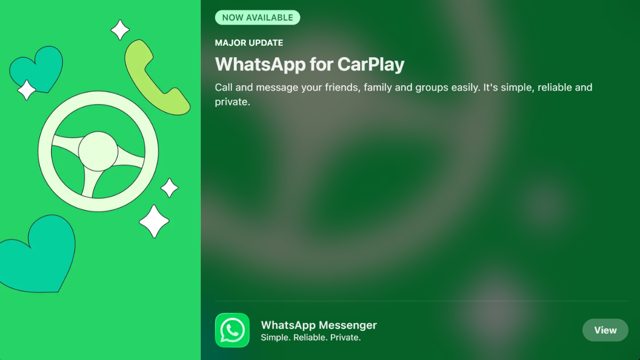
WhatsApp Arrives Officially on CarPlay
Drivers can now keep their conversations connected more seamlessly than ever before. Meta has officially launched a dedicated WhatsApp application for Apple CarPlay, a move that finally brings full native support, including voice calls, to the in-car infotainment system. This global rollout marks a significant step in bridging the gap between our most ubiquitous messaging platform and the increasingly smart automobile cockpit.
Beyond Basic Mirroring: A Tailored In-Car Experience
While drivers have been able to access limited WhatsApp features via iOS screen mirroring, this native app is a different beast entirely. It is designed specifically for the driving environment, prioritizing safety and ease of use with a simplified interface. The headline feature, without a doubt, is the support for voice calls directly through the CarPlay dashboard, allowing users to answer and place calls without ever touching their phone.
Imagine you are navigating to an important meeting and a crucial call comes through from a group chat. Previously, fumbling with your device was a dangerous distraction. Now, a single tap on the car’s touchscreen or a voice command via Siri can connect the call through your vehicle’s audio system. This integration treats WhatsApp calls with the same native priority as traditional cellular calls, a clear signal of the platform’s centrality in modern communication.
The Technical Road to Integration
This development did not happen overnight. It is the result of evolving frameworks and a clear push from Apple to encourage richer third-party experiences within CarPlay. The app leverages CarPlay’s communication protocols to handle audio routing and microphone access securely. For the technically curious, it represents a mature use of the CarPlay API, moving beyond simple audio playback to handle real-time, two-way communication.
Privacy and security, perennial concerns with Meta’s platforms, are handled through the existing phone-link architecture. The call audio is routed through your iPhone, which remains the primary device for encryption and connection handling. Your messages and call logs are not stored on the car’s system, offering a layer of reassurance for the privacy-conscious user. It is a clever dance between convenience and data security.
Transforming the Commute and the Road Ahead
The practical implications for daily life are substantial. For professionals, the car becomes a more viable extension of the office. For families, quick check-ins during the school run become simpler and safer. This is not just about convenience, it is about adapting our most powerful communication tools to the realities of a mobile lifestyle. Could this be the final nudge that makes the car’s central screen as essential for communication as it is for navigation?
Looking forward, this launch sets a compelling precedent. It raises immediate questions about the potential for similar full integration with Android Automotive OS. Furthermore, it hints at a future where in-car systems might support richer messaging interactions, perhaps even with advanced voice-to-text features for reading out group chats. The boundary between our smartphones and our vehicles continues to dissolve, creating a more cohesive digital ecosystem for the on-the-go user.
Meta’s strategic play here is obvious: to make WhatsApp an indispensable, everywhere service. By embedding itself into the driving experience, it increases user engagement and solidifies its position against competitors like Apple’s own iMessage. For Apple, it enriches the CarPlay ecosystem, making it a more attractive platform. This symbiotic relationship between tech giants is quietly shaping the future of how we interact, even while doing 65 on the highway.
The global availability of the app means this is not a staggered or regional test, but a confident, full-scale deployment. Users worldwide simply need to ensure their iPhone and WhatsApp are updated to the latest versions to access the new functionality. The era of the connected car just got a lot more conversational, and our commutes will never be the same.