Tutorials
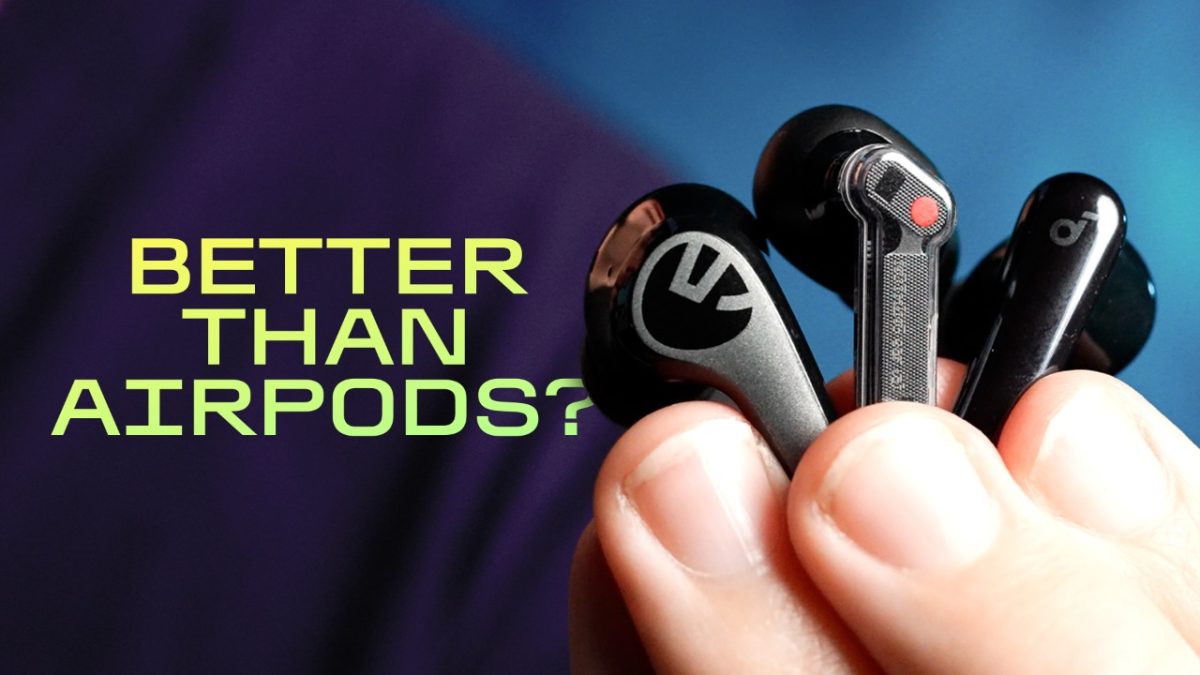
Beyond the Big Brand: Can Budget Earbuds from $30 to $150 Rival AirPods Pro?
The Quest for Affordable Audio Excellence
For many of us, wireless earbuds have become an indispensable part of daily life, serving as a personal soundtrack for commutes, workouts, and focused work sessions. This reliance makes the choice of which pair to invest in a surprisingly significant decision. While Apple’s AirPods Pro have set a high bar with their seamless integration and active noise cancellation, their premium price tag leaves a vast market of more affordable alternatives vying for attention. The central question for the discerning listener becomes compelling: can any of these budget-friendly contenders truly compete for a permanent place in your ears?
Evaluating the True Cost of Compromise
When we discuss earbuds priced between a modest $30 and a more substantial $150, we are navigating a complex landscape of trade-offs. The immediate allure is obvious, of course; saving hundreds of dollars is a powerful incentive. However, the real investigation goes deeper than mere price comparison. It involves a meticulous audit of what you gain and, perhaps more importantly, what you might be sacrificing. Are you willing to accept slightly muddier bass for a week’s worth of coffee money, or does the clarity of a phone call hold non-negotiable value for your work?
This analysis is not about finding a perfect clone, an impossible task given the deep hardware and software synergy of the Apple ecosystem. Instead, it is a practical search for ‘good enough’ performance in key areas that matter most to you. The goal is to identify if any challenger can deliver a satisfying enough experience to make you reconsider that daily, hours-long commitment to a single, premium brand.
Where Budget Buds Shine and Stumble
Modern budget audio technology has achieved feats that would have seemed like science fiction a decade ago. It is now commonplace to find impressive features like active noise cancellation (ANC), transparent hearing modes, and wireless charging in earbuds costing less than $100. Brands such as Anker’s Soundcore, EarFun, and Moondrop have built reputations on packing these premium-adjacent features into remarkably affordable packages. For the casual listener who prioritizes functionality over absolute sonic purity, this value proposition is incredibly strong.
Yet, the cracks in the facade often appear in the subtler details of user experience. This is where the engineering prowess of companies like Apple becomes glaringly apparent. Connection stability, especially in crowded RF environments like city centers, can be less robust on some budget models. Microphone quality for voice calls frequently suffers, leaving you sounding like you are speaking from the bottom of a well during important meetings. Furthermore, the actual implementation of ANC and transparency modes often lacks the refined, natural feel of the market leaders, sometimes introducing audible hiss or pressure sensations.
The Intangibles of Ecosystem and Integration
For users deeply embedded in a particular tech ecosystem, particularly Apple’s, this comparison extends far beyond the earbuds themselves. The almost magical pairing process, automatic device switching, and spatial audio with head tracking offered by AirPods Pro are not just features; they are conveniences that become deeply woven into the fabric of your digital life. Most budget alternatives function as agnostic Bluetooth devices, which is a strength in versatility but a weakness in seamless integration.
You might find yourself manually connecting them to different devices or missing out on proprietary audio formats. This is the hidden ‘cost’ that is not reflected on the price tag. It is the friction of a slightly less polished experience, a series of minor annoyances that can, over hours of daily use, accumulate into genuine frustration. The question morphs from ‘can they play music well?’ to ‘will they effortlessly disappear into my workflow?’
Making the Personal Choice for Your Ears
So, where does this leave the practical consumer? The answer, unsatisfyingly, is that it depends entirely on your personal hierarchy of needs. If your primary goal is to enjoy podcasts and music with decent sound isolation during your gym session without a constant fear of losing or breaking a costly investment, a $50-$80 pair could be a minor revelation. The financial liberation alone can enhance your enjoyment.
Conversely, if you live on conference calls, crave the most effective noise cancellation for travel, or simply cherish the frictionless harmony of a unified ecosystem, the argument for sticking with a premium option like the AirPods Pro remains powerful. In this higher tier, you are paying for polish, reliability, and a holistic experience that just works, day in and day out. The budget option might be 85% as good for 30% of the price, but that missing 15% often resides in the details you interact with every single time you use them.
The Future of the Audio Market
Looking ahead, the pressure from these ambitious budget and mid-tier manufacturers is the best thing to happen to audio consumers in years. This fierce competition is forcing all players, including the industry giants, to innovate faster and consider value more seriously. We are already seeing features like multi-point connectivity and improved ANC trickle down at unprecedented speeds. The gap is narrowing, not just in specs on a box, but in the nuanced art of crafting a pleasant, reliable listening companion.
The ultimate victor in this ongoing battle is you, the listener. The expanding range of credible options means there has never been a better time to find a pair of earbuds that precisely matches your auditory desires and financial comfort. The journey to find your perfect audio partner might just lead you to an unexpected, and far more affordable, destination.