Tutorials
Beyond the Screen: A Complete Guide to Digital and Physical Device Hygiene
The Unseen Ecosystem on Your Devices
Our smartphones and earbuds are constant companions, traveling with us from the breakfast table to the gym and everywhere in between. This journey leaves behind more than just digital footprints; it creates a literal ecosystem of grime, oils, and microbes clinging to every surface. While we might notice the smudges on the screen, the true extent of the buildup, both physical and digital, often goes unaddressed. Proper maintenance is therefore a dual-pronged effort, requiring attention to both the hardware we touch and the software that consumes our attention.
Safely Sanitizing Your Hardware
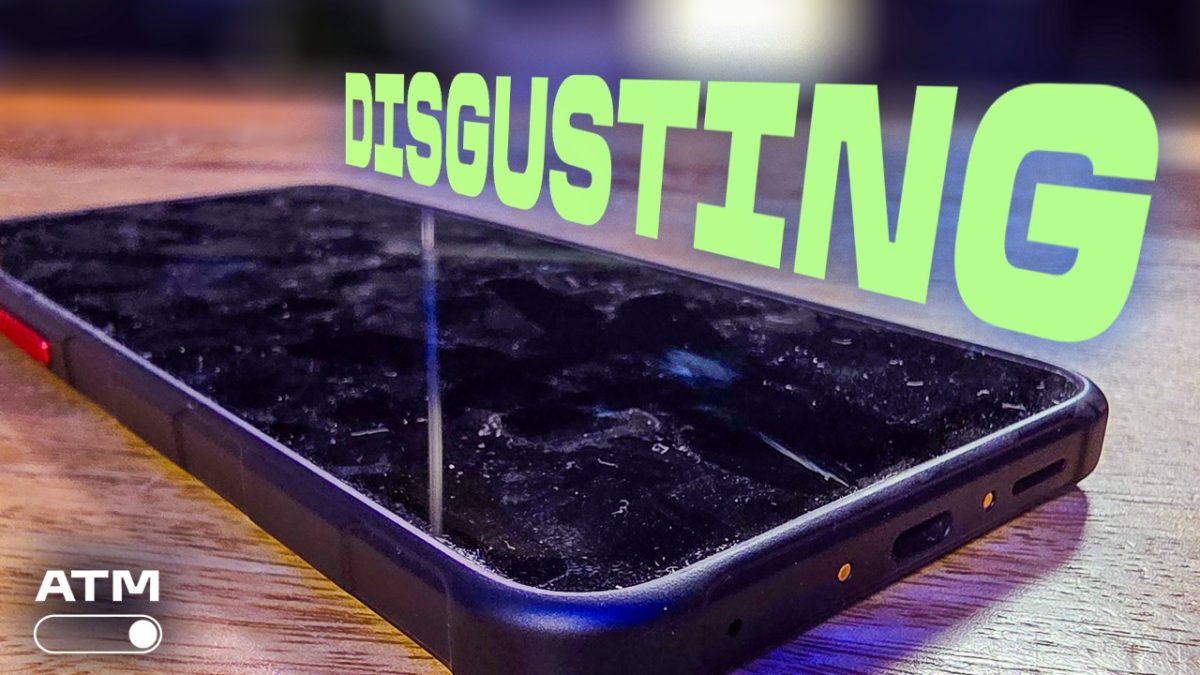
The first step in this cleansing ritual involves tackling the tangible grime. Experts like Iyaz recommend a gentle yet effective approach to avoid damaging sensitive components. For your phone, start by powering it down and removing any case. A soft, lint-free cloth, slightly dampened with water, can remove most fingerprints and surface dust. For a deeper clean, a solution of 70% isopropyl alcohol applied sparingly to the cloth, not directly to the device, is widely considered safe for most modern phone screens with oleophobic coatings.
The key is moderation; excessive liquid is the enemy. This same principle applies to wireless earbuds, those tiny troves of earwax and dust. Carefully wipe the earbud surfaces and the charging case interior with a cloth dampened with that same mild alcohol solution. A dry soft-bristled brush, like a clean makeup brush, can work wonders for dislodging debris from speaker grilles and charging ports without the risk of moisture damage. Think of it as a mini spa day for your gadgets, restoring them to a state of pristine functionality.
The Digital Clutter We Accumulate
However, a clean exterior is only half the battle. Our devices also suffer from a less visible but equally taxing form of bloat: digital clutter. Over months and years, we accumulate apps that seemed essential in the moment but now lie dormant, consuming storage, draining battery in the background, and potentially compromising security with outdated permissions. This digital detritus can slow down your device’s performance and, more subtly, your own cognitive focus. When was the last time you actually used that novelty soundboard app from 2018?
Thankfully, you don’t need to navigate this cleanup alone. Both Android and iOS have developed sophisticated built-in tools to help users make those tough choices about what stays and what goes. These features move beyond simple manual deletion, offering data-driven insights into your actual usage patterns. They shift the burden from your memory to the system’s analytics, providing a clear-eyed audit of your digital habits.
Leveraging Built-In Operating System Tools
On iOS, the key player is the Storage section within Settings. This tool provides a detailed breakdown of your used space, listing apps by size and, crucially, the date you last used them. This “last accessed” data is a powerful prompt for action; an app you haven’t opened in a year is a prime candidate for offloading or deletion. The Offload App feature is a particularly clever middle ground, removing the app binary to free up space while preserving its documents and data, allowing for a quick reinstall if you suddenly miss it.
Android offers similarly powerful utilities, though their location can vary slightly by manufacturer. Generally, navigating to Settings, then Storage, will reveal a breakdown of space usage. Tapping into individual app listings shows cache size and total data, empowering you to clear temporary files without a full uninstall. For a more proactive approach, Google’s Digital Wellbeing tools provide dashboard views of your screen time per app, visually highlighting which applications are monopolizing your attention. This combination of storage and time data creates a compelling case for pruning.
Cultivating a Holistic Maintenance Mindset
The parallel between physical wiping and digital decluttering is more than metaphorical. Both processes require intentionality, a willingness to audit our attachments, and the recognition that small, regular maintenance prevents larger problems down the line. A quarterly review of your app library, paired with a careful cleaning of your device’s ports and surfaces, can become a simple yet impactful ritual. It’s about respecting the tools that connect us to the world, ensuring they function optimally and hygienically.
This holistic approach to device care reflects a broader understanding of technology stewardship. Our gadgets are not just passive tools but active environments we interact with thousands of times a day. Keeping those environments clean, both in terms of bacteria and binary, directly impacts our health, productivity, and even our digital security. A streamlined device is often a faster, safer, and more pleasant device to use.
Forward-Looking Device Stewardship
As devices become even more integrated into our personal ecosystems, from health monitors to payment terminals, the importance of this dual hygiene will only intensify. Future operating systems may integrate these cleanup prompts more seamlessly, perhaps suggesting app offloads after periods of disuse or reminding users to clean sensors before a big photo shoot. The goal is a symbiotic relationship where we care for our devices so they can better care for us, fostering a cycle of efficiency that benefits both machine and user. The clean slate, both physically and digitally, is not just a one-time project but a sustainable practice for the connected life.