Tutorials
Bloodhounds Season 2 Arrives on Netflix, Sparking Renewal Buzz and Cameo Speculation
The Streaming Pack Returns for Another Hunt
Netflix has officially unleashed the second season of its gritty Korean action series, Bloodhounds, sending waves of excitement through its global subscriber base. This release not only delivers a fresh batch of high-stakes narrative but also reignites fervent discussion about the show’s long-term future on the platform. For a series that blends visceral fight choreography with a poignant story of debt and desperation, its performance in the coming weeks will be scrutinized more closely than ever.
Decoding the Renewal Algorithm
The burning question on every fan’s mind now shifts from “when” to “if” we will see a third installment. In the streaming world, renewal decisions are rarely about simple popularity; they are complex calculations involving completion rates, cost per viewer, and strategic content gaps. A show like Bloodhounds, which carves out a specific niche within the crowded action genre, must demonstrate not just a dedicated fanbase but one that grows and engages deeply with each new episode.
Netflix’s data-driven approach often leaves audiences reading the tea leaves of global top ten lists and social media momentum. Strong international appeal, particularly from key markets in Asia and the Americas, could be the decisive factor that greenlights season 3. The platform’s investment in Korean content has been substantial, but it is also ruthlessly pragmatic, constantly balancing artistic merit with measurable return on investment.
Star Power and Strategic Surprises
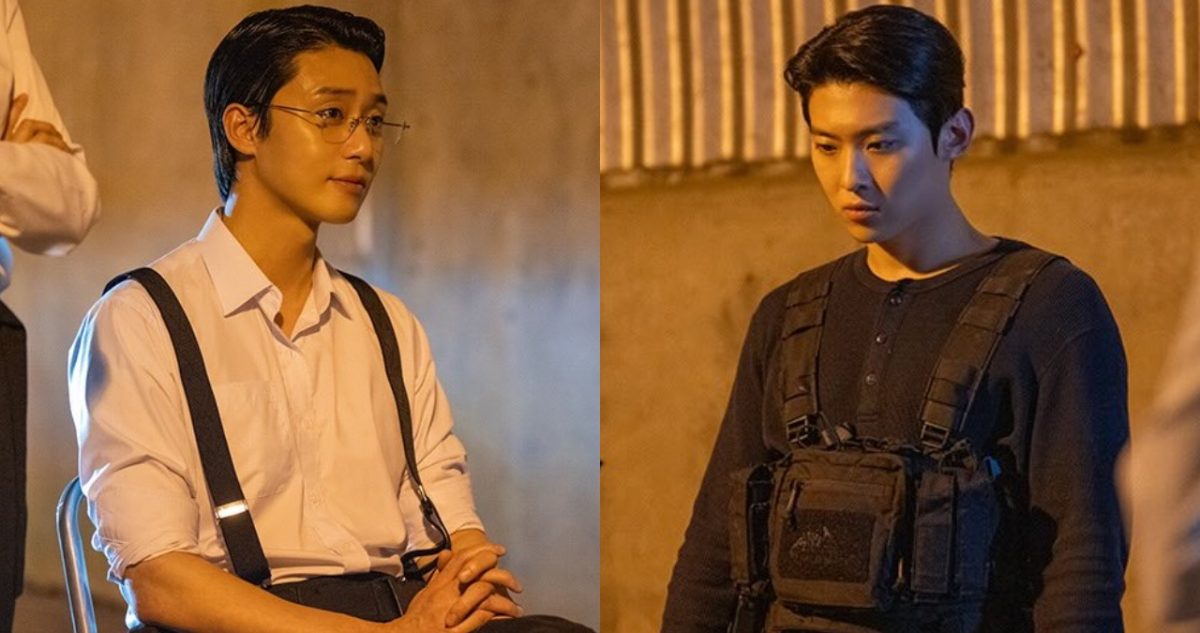
Adding significant fuel to the renewal conversation are the reported cameo appearances by major stars Park Seo-joon and internet personality Dex. These are not mere blink-and-you’ll-miss-it moments but strategically cast roles designed to generate maximum buzz and cross-pollinate fan communities. Park Seo-joon, a household name following his work in Itaewon Class and The Marvels, brings a level of mainstream credibility and attracts viewers who might not typically dive into the show’s darker themes.
On the other hand, the inclusion of Dex, a prominent figure from the YouTube and reality TV sphere, represents a fascinating modern casting tactic. It’s a direct tap into a younger, digitally-native audience whose viewing habits are shaped by online creators as much as traditional actors. This dual-pronged approach showcases a sophisticated understanding of contemporary audience demographics, essentially creating multiple entry points into the Bloodhounds universe.
Beyond the Cameo: A Narrative Bridge
While these appearances are brilliant marketing, their true success lies in how they are woven into the fabric of the story. A forced cameo can feel jarring, but a well-integrated one can open new narrative pathways and enrich the world-building. The roles taken by Park and Dex could serve as clever bridges, potentially introducing new factions, resources, or conflicts that could naturally expand into a third season.
Think of them as narrative seeds. Their characters might offer our protagonists, the titular “bloodhounds” Gun-woo and Woo-jin, a crucial piece of information or a new, more dangerous adversary. This technique allows the writers to test audience reaction to new concepts or characters without the commitment of a full-season arc, providing valuable data for future story development.
The Technical Choreography of Success
For a tech-savvy audience, the production of Bloodhounds offers a compelling case study in digital content creation. The series relies heavily on a blend of practical stunt work and seamless digital enhancement to achieve its brutal, yet balletic, fight sequences. This requires a robust pipeline involving pre-visualization, specialized VFX for environmental effects and subtle injury detail, and meticulous sound design that makes every punch land with visceral impact.
The global distribution model itself is a technological marvel. Netflix’s infrastructure ensures the series is delivered simultaneously in dozens of languages and hundreds of territories, with encoding optimized for everything from mobile phones to 4K televisions. The platform’s recommendation algorithms then go to work, identifying viewers of similar action dramas or Korean content and strategically placing Bloodhounds in their queues, a silent but powerful promoter.
What Lies Ahead for the Franchise
Looking beyond a potential third season, the structure of Bloodhounds presents intriguing possibilities for expansion. The core premise of freelance troubleshooters taking on predatory loan sharks is ripe for anthology-style storytelling, perhaps following different duos in new cities or eras. Alternatively, the rich backdrop of the underground financial world could support a spin-off focusing on a specific antagonist or a prequel exploring the origins of the loan shark empire.
These decisions will hinge on the data harvested from season 2’s performance and the sustained cultural conversation around its themes of economic anxiety and justice. In an era where content is both art and algorithm, Bloodhounds stands as a test subject. Its blend of raw human emotion, meticulously crafted action, and star-studded surprises makes it a compelling package, but its ultimate fate rests in the hands of millions of clicking, watching, and completing viewers around the globe.