Tutorials
Netflix to Broadcast Historic Artemis II Lunar Flyby Live, Bringing Deep Space to Your Living Room
A Streaming Giant’s Leap for Mankind
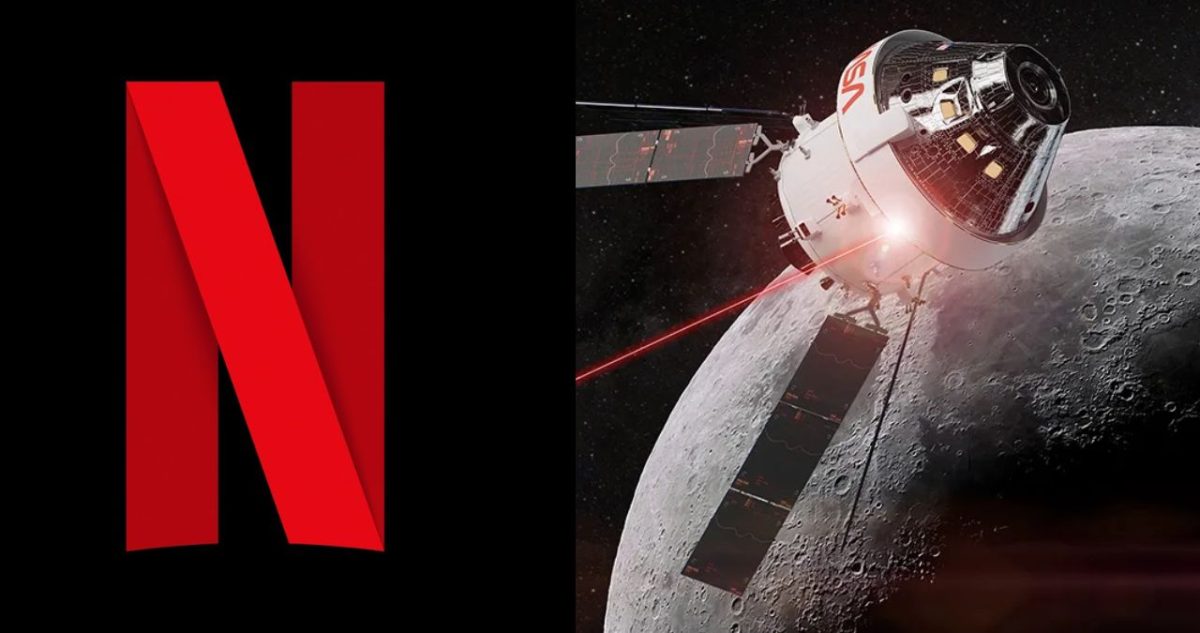
In a move that perfectly blends cutting-edge exploration with modern media consumption, NASA’s upcoming Artemis II mission is getting the blockbuster treatment. The space agency has partnered with Netflix to broadcast the crew’s pivotal lunar flyby live, transforming a key moment in human spaceflight into a global streaming event. This collaboration marks a significant shift in how the public engages with monumental scientific endeavors, bringing the raw, unfiltered drama of deep space directly to our screens.
From Mission Control to Your Couch
The core of this broadcast will be the Artemis II spacecraft’s critical pass around the far side of the Moon. This maneuver, a rehearsal for future lunar landings, will carry the four-person crew farther from Earth than any humans have traveled since the Apollo era. While an official date and time for this specific live stream are pending final mission scheduling, the anticipation is already building. It promises to be a prime-time spectacle of orbital mechanics and human courage.
Imagine the scene: the crew, inside the Orion capsule, will lose all direct communication with Earth as they pass behind the Moon. For approximately 30 minutes, they will be utterly alone, gazing upon the lunar surface from a vantage point unseen by human eyes for over half a century. Netflix’s cameras aim to capture their reactions and the breathtaking views during this silent, profound journey, offering an intimacy previous generations could only dream of.
Why This Broadcast is a Game-Changer
This isn’t just another documentary; it’s live, high-stakes reality television with the ultimate backdrop. The partnership signals a new era of public outreach for NASA, leveraging a platform with a subscriber base in the hundreds of millions to inspire a global audience. For Netflix, it represents a bold foray into live event broadcasting that transcends sports or awards shows, capturing a unique, historic moment that can’t be spoiled.
The technical logistics are fascinating. Netflix will likely integrate NASA’s own mission feeds with exclusive onboard footage and commentary, creating a hybrid viewing experience. It raises interesting questions: will there be a hosted panel with astronauts and scientists, or will the event lean into the serene, almost meditative silence of space itself? The approach could redefine science communication.
Contextualizing the Artemis II Mission
To understand the weight of this moment, a little background is essential. Artemis II is the first crewed mission in NASA’s ambitious program to return humans to the lunar surface and establish a sustainable presence. It follows the successful uncrewed Artemis I test flight that orbited the Moon in 2022. This second act is all about proving the Orion spacecraft’s life support systems with a real crew on board.
The four astronauts, Reid Wiseman, Victor Glover, Christina Koch, and Jeremy Hansen, represent a diverse and international team, hinting at the collaborative future of space exploration. Their ten-day journey will not land on the Moon but will instead perform a complex figure-eight trajectory around it, testing systems and validating capabilities for the planned Artemis III landing. The flyby broadcast is the mission’s cinematic climax.
Broader Implications for Media and Science
This venture has implications far beyond a single broadcast. It demonstrates a powerful model for funding and public engagement in science, where commercial entertainment entities help shoulder the burden of outreach. Could we see future deep-space missions sponsored or co-produced by media companies? It’s not as far-fetched as it sounds, especially as the line between discovery and content continues to blur.
For the average viewer, it democratizes access to history. You won’t need to scour NASA’s website or specialized cable channels; the event will be waiting in your familiar Netflix queue, right alongside the latest series and films. This accessibility is crucial for sparking the imagination of the next generation of engineers, scientists, and explorers. After all, today’s viewer of a lunar flyby might be tomorrow’s mission specialist.
The Technical Marvel Behind the Scenes
Pulling off a live broadcast from a spacecraft hundreds of thousands of kilometers away is no simple feat. It relies on NASA’s Deep Space Network (DSN), a global array of giant radio antennas that act as the umbilical cord for data and communication. The bandwidth is precious, prioritized for essential telemetry and crew safety, so streaming high-definition video adds a thrilling layer of complexity.
Engineers will have to carefully balance data streams, ensuring that vital systems monitoring is never compromised for the sake of a good picture. It’s a high-wire act of information theory, a testament to the incredible advances in data compression and transmission since the grainy black-and-white broadcasts of Apollo. The success of this stream will itself be a milestone in space-based communications.
A New Chapter in Public Space Engagement
As we look to the future, the Artemis II Netflix special could be remembered as a turning point. It represents the normalization of human deep-space travel as a shared cultural experience, not just a government bulletin. This model creates a sustainable narrative thread, allowing the public to follow the Artemis story from flyby to landing and beyond with the consistency of a favorite series.
The ultimate insight is clear: the final frontier is becoming a featured destination on our entertainment maps. When the Artemis II crew rounds the Moon, they’ll be carrying the hopes of a planet and the cameras of a streaming service, proving that the next giant leap will be one we all take together from the comfort of our living rooms.