Tutorials
Euphoria Season 3 Sparks Digital Culture Debate Over Sydney Sweeney’s Provocative Scenes
The Intersection of Streaming Provocation and Audience Backlash
Sam Levinson’s HBO series Euphoria has never shied away from controversy, consistently using its platform to explore the raw, often uncomfortable edges of teenage life. The show’s visual language, a hallmark of its identity, blends hyper-stylized cinematography with narratives that push societal boundaries. This deliberate approach has cemented its status as a cultural lightning rod, generating as much discourse on social media as it does watercooler conversation. The early buzz for its third season suggests this trend is not only continuing but intensifying, with new footage involving star Sydney Sweeney igniting a particularly fierce online firestorm.
Defining the Controversial Content
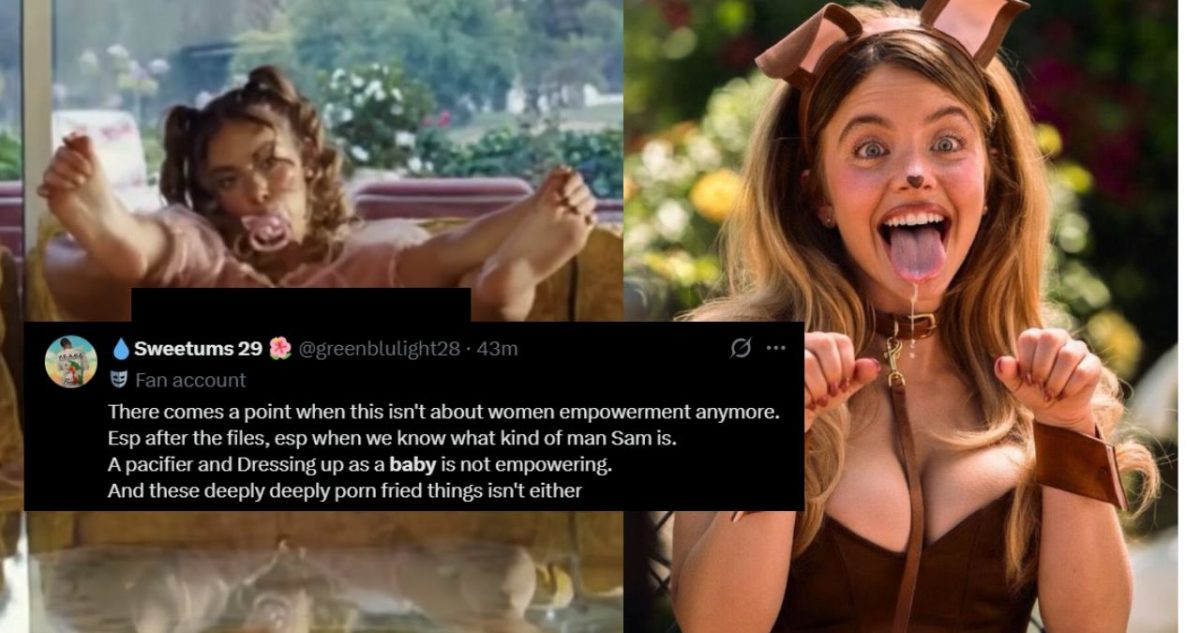
The specific scenes causing uproar reportedly feature Sweeney’s character, Cassie Howard, in what is being described as a ‘vulgar’ baby-themed outfit during a sequence linked to an OnlyFans-style content creation storyline. For a technology-focused audience, this narrative pivot is fascinating. It directly mirrors the real-world economy of digital content creation and the platform dynamics that creators navigate daily. The backlash, therefore, isn’t just about taste; it’s a visceral reaction to the show’s dramatization of a very modern, tech-enabled form of labor and identity performance.
This creative choice forces viewers to confront the often infantilized aesthetics that can permeate online spaces, juxtaposed with adult themes. Is the show making a critical statement about the commodification of persona in the digital age, or is it merely exploiting a visual trope for shock value? The line between commentary and sensationalism appears deliberately blurred, a tactic that reliably fuels the engagement algorithms of platforms like Twitter and TikTok.
Content Moderation in Narrative Form
From a tech industry perspective, Euphoria’s storyline functions as a narrative experiment in content moderation. The show itself operates within HBO’s established standards and practices, a form of corporate governance. Meanwhile, the fictional Cassie operates in a simulated, unregulated digital frontier akin to platforms that constantly grapple with policy enforcement. The audience’s furious reaction online becomes a meta-layer of moderation, a distributed, crowd-sourced critique of what should be permissible in visual storytelling.
This public negotiation of boundaries highlights a key tension in digital culture. User-generated platforms thrive on edge-case content that drives views, yet they face immense pressure to sanitize their feeds for advertisers and a broader public. Euphoria, in its scripted format, has the luxury to probe these edges without direct financial repercussion from payment processors or ad networks. Its provocations are, in a sense, a stress test for audience tolerance, reflecting the same debates happening in Silicon Valley boardrooms about safety, expression, and monetization.
The Role of Fandom and Distributed Critique
The phrase ‘fans react furiously’ undersells the sophisticated, rapid-response media ecosystem that now surrounds major releases. Outrage is no longer a slow burn; it’s a coordinated, immediate data event. Hashtags trend, reaction videos are produced, and opinion threads are algorithmically amplified within minutes of a teaser’s release. This networked backlash is a powerful form of cultural feedback, demonstrating how fan communities can function as collective editors or censors.
For developers and product managers, this phenomenon is a live case study in community management at scale. The emotional investment of a fanbase carries real weight, capable of influencing brand perception and even creative direction. When a show like Euphoria deliberately courts this reaction, it’s engaging in a high-risk form of interactive marketing. The gamble is that the controversy will fuel curiosity and viewership rather than fostering lasting alienation.
Visual Storytelling in the Algorithmic Age
Euphoria’s production is deeply informed by the visual grammar of the internet. Its shots are composed for screenshotability and memeification. A controversial outfit isn’t just a costume; it’s a designed asset meant to be extracted, shared, and debated across social platforms, divorced from its narrative context. This represents a fundamental shift in how prestige television is crafted. The narrative must not only be compelling in a linear format but must also contain discrete, high-impact visual modules optimized for viral dissemination.
This strategy blurs the line between content and marketing in a way that’s native to the digital generation. The backlash itself becomes part of the show’s extended universe, a paratext that enriches (or pollutes) the core viewing experience. In tech terms, the show has successfully built an API for public reaction; the controversial scenes are the endpoints that call and return massive amounts of user-generated data, in the form of tweets, videos, and articles.
Looking Forward: The Future of Provocative Content
The ongoing debate over Euphoria’s third season preview is a microcosm of larger struggles defining our digital landscape. As virtual production techniques and AI-assisted editing become more accessible, the ability to create hyper-stylized, boundary-pushing content will democratize. The central question will evolve from “Should this be shown?” to “What are the systemic impacts of amplifying this style of narrative at scale?”
Furthermore, the integration of real-world platform economies, like the OnlyFans model, into mainstream storytelling signals a new phase of cultural digestion. Technology is no longer just a plot device; it’s the environment, the economy, and the conflict. The true insight for tech observers may not be in the outrage itself, but in watching how a traditional media giant like HBO navigates storytelling within the logic of the attention economy it both critiques and depends upon. The show’s ultimate success or failure will be measured not just in ratings, but in its ability to metabolize the very digital culture it so vividly, and controversially, portrays.