Tutorials
Kanye West’s UK Entry Ban and Festival Cancellation: A Case Study in Digital Reputation and Platform Power
When Digital Controversy Meets Physical Borders
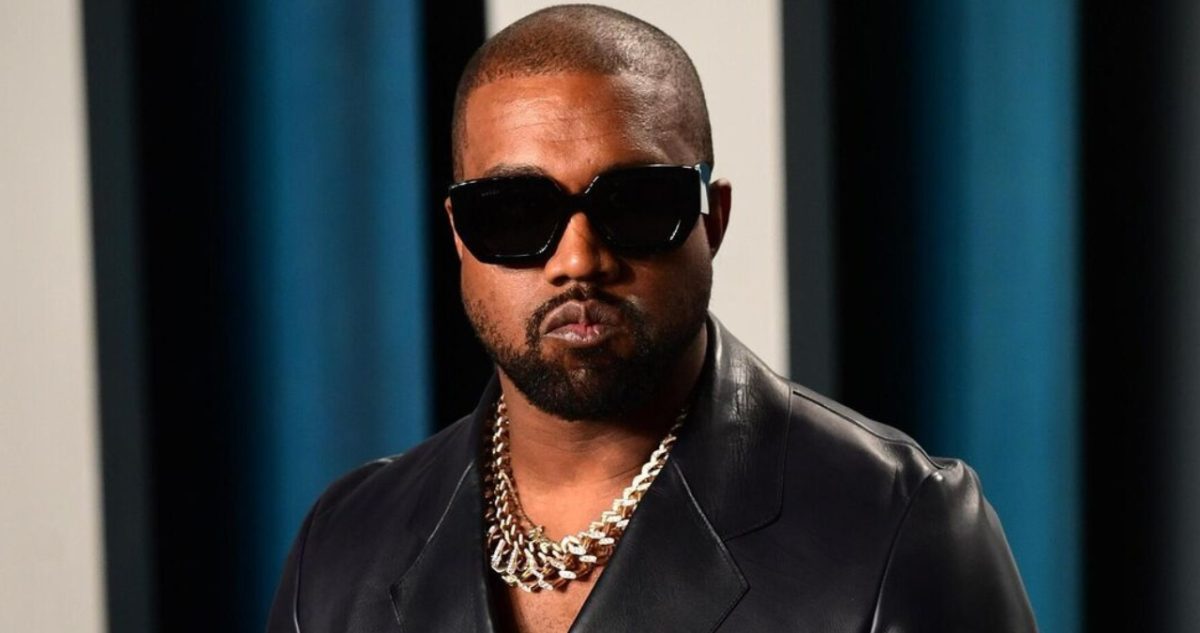
The intersection of online rhetoric and real-world consequence has rarely been more starkly illustrated than in the recent developments surrounding Kanye West. The artist, now known as Ye, has been blocked from entering the United Kingdom, a move that directly led to the cancellation of his scheduled headline performance at London’s Wireless Festival this July. This isn’t merely a tabloid story about a cancelled concert. It represents a profound moment where an individual’s digital footprint and public statements have triggered tangible, offline repercussions, effectively halting a major commercial and cultural event.
The Anatomy of a Modern Entry Ban
While official statements often remain carefully worded, reports strongly suggest the entry refusal stems from concerns over Ye’s history of making antisemitic and other inflammatory comments. In the digital age, such statements are not ephemeral. They are permanently archived, widely disseminated, and analyzed by both the public and government agencies. The UK’s Home Office, responsible for border security, has broad powers to deny entry to individuals whose presence is deemed “not conducive to the public good.” This legal framework, designed for a pre-internet era, is now being applied to behavior amplified across global social platforms.
Consider the technical reality here. A series of tweets, Instagram posts, and interview soundbites, all digital artifacts, were likely compiled into a dossier. This digital paper trail then informed a bureaucratic decision with massive financial and logistical ramifications. The festival organizers, Live Nation and the Festival Republic, were left with little recourse but to cancel the act entirely. It’s a clear signal that in our hyper-connected world, your online persona can directly govern your physical mobility.
The Ripple Effects on the Live Events Tech Stack
The cancellation of a headliner of Ye’s magnitude is not a simple announcement. It sends shockwaves through the intricate technological ecosystem that supports modern festivals. Ticketing platforms like See Tickets or AXS must manage refunds or line-up change communications for thousands of customers. Complex artist rider and logistics software, which handles everything from stage design specs to catering, is suddenly rendered obsolete for that act.
Furthermore, the festival’s own marketing tech stack, which has been driving algorithms for months based on Ye’s name as a primary keyword, must pivot instantly. How do you retarget ads when your main attraction is gone? This scenario forces event tech companies to build more flexibility and crisis management protocols into their software. Could AI-driven contract management tools one day include “reputation risk clauses” that trigger automated contingency planning? It’s a question the industry is now forced to ponder.
Platform Power and the Shifting Sands of Public Discourse
This incident sits at the convergence of several powerful trends. Ye has already experienced severe platform consequences, including suspension from Twitter (now X) and loss of major corporate partnerships like Adidas. These were commercial and social media sanctions. The UK entry ban represents a state-level escalation. It begs the question: in an era where tech platforms moderate content, and now governments moderate mobility based on that content, where does the line sit?
For a technology audience, this is a live case study in digital ethics and policy. The tools that allow artists to build global brands directly with fans, bypassing traditional gatekeepers, are the same tools that can archive their most controversial moments with perfect fidelity. The data trail is undeniable and, as we see, actionable by entities far beyond the platform’s own moderation team. It creates a new layer of accountability that is still being defined.
Looking Ahead: Reputation as a System of Record
The forward-looking implication for technologists and developers is the concept of a “reputation ledger.” If online behavior can influence visa statuses and contractual fulfillments, might we see the emergence of more formalized, albeit controversial, reputation scoring systems tied to public digital activity? While the social credit system concept is fraught with ethical peril, the market may demand better risk-assessment tools for entities investing millions in talent.
Ultimately, the saga of Ye’s cancelled UK performance is a stark reminder that code and content have real-world weight. The digital and physical realms are no longer separate spheres. A developer building a social media API, a data archivist, or a founder creating event management software must now consider how their work intersects with these new, hard boundaries. The next challenge for tech will be navigating this complex landscape where bytes of data can literally lock doors, making the architecture of our digital discourse more critical than ever.