Social media
Trump’s Social Media Tirade Against Conservative Media Figures Highlights Platform Power and Political Fractures
The Unraveling of a Digital Coalition
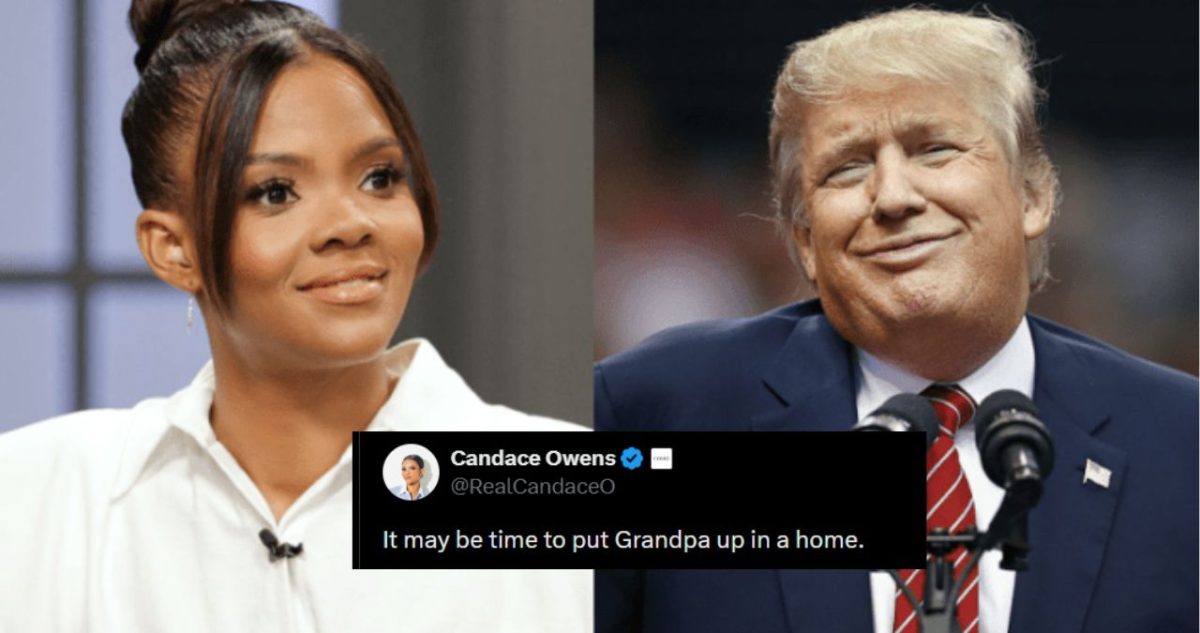
A recent, blistering social media post from former President Donald Trump has sent shockwaves through the conservative media ecosystem, exposing deep ideological and strategic rifts. In a characteristically unfiltered online rant, Trump targeted several high-profile figures once considered allies, including Tucker Carlson, Megyn Kelly, Candace Owens, and Alex Jones, dismissing them collectively as “nut jobs” and “troublemakers.” This public airing of grievances goes beyond mere political gossip, serving as a stark case study in how digital platforms amplify personal disputes into national narratives that can reshape political coalitions overnight.
Platforms as the New Political Arena
This incident underscores a fundamental shift in political communication, where social media platforms have become the primary arena for declaring allegiances and settling scores. The power to instantly broadcast a message to millions, bypassing traditional editorial filters, grants figures like Trump an unprecedented ability to set agendas and redefine alliances. For a technology audience, this is a live demonstration of platform dynamics in action, where algorithms designed for engagement often prioritize conflict and sensationalism over nuanced debate. What does this mean for the health of political discourse when the most profitable interactions are often the most divisive?
The targets of Trump’s criticism are not minor players, they are influential nodes within the conservative information network, each commanding massive digital audiences. Their falling out with a central figure like Trump illustrates the volatile nature of online political movements, which can be as fragile as they are fervent. This volatility is partly engineered by the platforms themselves, which thrive on constant content refresh and emotional engagement, making long-term stability less valuable than immediate, explosive interaction.
Content Moderation and the Creator Economy
From a tech industry perspective, this saga intersects critically with ongoing debates about content moderation, creator sovereignty, and platform responsibility. Each individual named operates within the broader “creator economy,” building businesses and influence directly on tech platforms that must constantly adjudicate their content. Alex Jones’s deplatforming from major services years ago was a landmark moment in this ongoing struggle. Now, seeing these figures embroiled in a public feud highlights the personal and financial risks of building an empire on rented digital land, where the rules can change and alliances can collapse with a single post.
The technical infrastructure behind these platforms, from recommendation engines to monetization tools, is not a neutral bystander. It actively shapes these conflicts by determining who gets heard, amplified, and paid. When a major political figure uses these tools to attack media personalities, it reveals the intertwined nature of politics, media, and technology infrastructure. The story is as much about MySQL databases and engagement graphs as it is about political ideology.
Implications for the Future of Digital Influence
This public fracturing signals a potential recalibration of influence within right-wing digital media, a space that has been remarkably cohesive in recent years. For developers and product managers, it’s a reminder that the communities built on their platforms are complex, human systems prone to schism. Designing for healthy community dynamics is a technical challenge as much as a social one, requiring features that might mitigate runaway conflict rather than fuel it. Could different algorithmic choices, perhaps those promoting bridge-building content, have prevented this rift from boiling over so publicly? It’s an open question.
The fallout also has direct business implications for the tech sector. These media figures drive significant traffic and subscription revenue for the platforms that host them, from Twitter (now X) to podcast networks and independent video sites. A major realignment in their relationships can shift audience attention and spending, affecting platform metrics that Wall Street watches closely. In this sense, a political rant is also a market-moving event, demonstrating how tightly social capital is now woven into financial capital in the digital age.
A Lesson in Networked Politics
Ultimately, this episode serves as a rich lesson in networked politics. The conservative movement, like many modern political blocs, functions less like a traditional hierarchy and more like a decentralized network of influencers, platforms, and audiences. Trump’s post was an attempt to prune that network, to cut out nodes he sees as harmful to his brand and goals. The technical metaphor is apt, it’s a manual attempt to reconfigure a social graph for optimal performance, with the performance being electoral success.
This kind of public conflict testing is likely to become more common, not less, as political campaigns become increasingly sophisticated in their use of data analytics and network mapping. The tools used to micro-target voters are the same ones that can identify which media voices are most persuasive or, conversely, most problematic. What we witnessed was not just an outburst, but a potentially calculated use of platform affordances to strengthen one position within a digital ecosystem by weakening others.
Looking ahead, the tech industry will continue to be both the stage and the stagehand for these political dramas. The next evolution may see platforms themselves becoming more active participants, not just as neutral pipes but as entities with their own content and partnership strategies that inevitably favor certain voices over others. The great challenge for engineers and policymakers alike will be navigating a world where code, community guidelines, and political constitutions are in constant, uneasy negotiation, shaping the very foundations of public discourse one algorithm update at a time.