Tutorials
Google Pixel 10 Embraces Offline Gaming with GameNative 0.9.0 Support
A Major Step for Mobile Gaming Independence
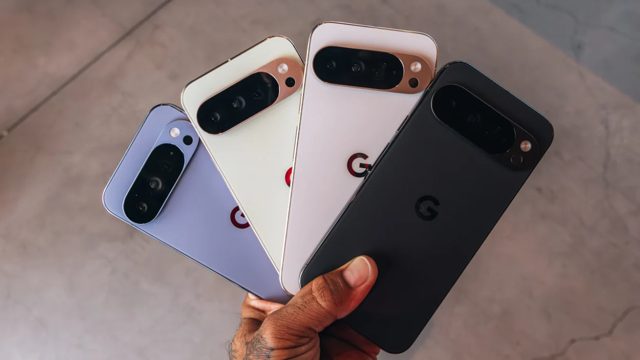
The landscape of mobile gaming is quietly shifting, moving away from a constant reliance on cloud servers and spotty internet connections. In a significant development for enthusiasts, the upcoming Google Pixel 10 smartphone is poised to receive support for a new wave of offline gaming experiences. This capability arrives through an update to the GameNative framework, specifically version 0.9.0, which promises to turn high-end Android devices into more self-sufficient gaming platforms. For users tired of latency spikes or data caps interrupting their play, this could be a genuine game-changer.
Unpacking the GameNative 0.9.0 Framework
Before diving into the implications, it’s crucial to understand what GameNative actually is. In essence, it’s a toolkit and runtime environment developed to help game creators port their desktop and console titles to Android with greater efficiency and performance. Think of it as a sophisticated translation layer that allows complex game code, often written for x86 processors in PCs, to run smoothly on the ARM-based architecture powering most smartphones. The 0.9.0 iteration represents a maturation of this technology, with a sharpened focus on stability and offline functionality.
This update effectively untethers supported games from the need for a persistent online verification handshake or cloud-based processing. The result? Once a game is installed, you can dive into its world anywhere, from a deep subway tunnel to a remote cabin in the woods, without a hint of connectivity. It’s a return to the simple pleasure of owning your game software, a concept that had begun to feel nostalgic in our always-online era.
From Stardew Valley to the Underworld: The Games Leading the Charge
So, what can you actually play on your Pixel 10 without an internet lifeline? The initial roster includes some of the most beloved and critically acclaimed indie titles of recent years. For instance, the serene, life-simulation farming of Stardew Valley becomes a perfect companion for long flights or commutes, its relaxing pace unhurried by network demands. Then there’s the intense, rogue-like action of Hades, where every run through the procedurally generated underworld demands split-second reactions, reactions that benefit immensely from the lack of online lag.
These aren’t simple mobile time-wasters, they are deep, narrative-rich experiences that have won awards on other platforms. Their successful porting via GameNative signals a serious intent. It proves that the framework is capable of handling diverse game engines and styles, from the pixel-art charm of one title to the fast-paced, isometric combat of another. For developers, this lowers the barrier to bringing their premium games to a powerful, portable audience.
Why This Matters for the Pixel 10 and Beyond
Google’s decision to integrate this support directly into its flagship phone is a strategic move with multiple layers. On a surface level, it’s a compelling selling point, a feature that distinguishes the Pixel 10 in a crowded market. More profoundly, it aligns with Google’s broader ambitions in gaming, seen in projects like Google Play Games for PC, and demonstrates a commitment to the Android platform as a legitimate destination for high-fidelity games. The Pixel 10, with its custom Tensor chip, becomes the ideal testbed to showcase what Android hardware and software can achieve together when optimized for gaming.
This move also subtly challenges the traditional mobile gaming economy. Instead of relying solely on free-to-play models sustained by ads and in-app purchases, it creates a space for premium, pay-once experiences. Could this encourage a new wave of premium game ports, making high-end Android phones true rivals to dedicated handheld gaming devices? The potential is certainly there, especially if performance and battery life hold up under the strain of these more demanding titles.
Technical Considerations and User Experience
Adopting this technology isn’t without its considerations. Games ported via GameNative will likely be larger downloads, as they must contain all necessary assets and code locally. Users will need to manage their device storage more thoughtfully. Furthermore, while offline play is enabled, features like multiplayer modes, live leaderboards, or cloud saves would still require an internet connection, unless developers build in local alternatives.
The onus is now on Google and game studios to ensure these ports are impeccably optimized. A poorly optimized port can lead to rapid battery drain, device heating, and controls that feel awkward on a touchscreen. The inclusion of titles like Hades, which demands precise input, is a bold test. Will the touch controls suffice, or will this finally be the killer app that makes mobile game controllers a mainstream accessory for phones? The answer could reshape mobile gaming accessories, too.
A Glimpse into a More Autonomous Mobile Future
The integration of GameNative 0.9.0 support is more than a simple spec sheet bullet point. It represents a philosophical shift towards empowering the device in your pocket. In a world where smartphones are increasingly powerful, why should they remain dependent on distant servers for core entertainment functions? This initiative begins to answer that question, returning a degree of autonomy and resilience to our digital lives.
It’s a welcome development for travelers, for people in areas with unreliable internet, and for anyone who values true ownership of their digital goods. The humor in finally being able to battle out of the Greek underworld while your phone is in airplane mode is not lost on us. It’s a small but meaningful rebellion against connectivity tyranny.
Looking Ahead: The Broader Ecosystem Impact
If successful on the Pixel 10, it’s logical to expect this GameNative framework support to trickle down to other high-performance Android devices in the future. This could standardize a new tier of mobile gaming, creating a clearer market for premium, offline-capable titles. For game developers, it opens a lucrative new channel without the need to completely rebuild their games for mobile from the ground up.
The long-term insight here is fascinating. As smartphone processors like Google’s Tensor continue to blur the line between mobile and desktop power, the distinction between gaming platforms becomes increasingly artificial. Support for frameworks like GameNative doesn’t just add a feature, it actively works to dismantle those walls. The future it points toward is one where your phone isn’t just a communication device or a casual gaming portal, but a legitimate, pocket-sized console capable of delivering a vast library of sophisticated experiences, anytime and anywhere. The journey toward that future, it seems, will be playable offline.