Tutorials
Amazon’s Kindle Sunset Sparks Outrage: Legacy E-Reader Support Ends in May
A Digital Library at Risk
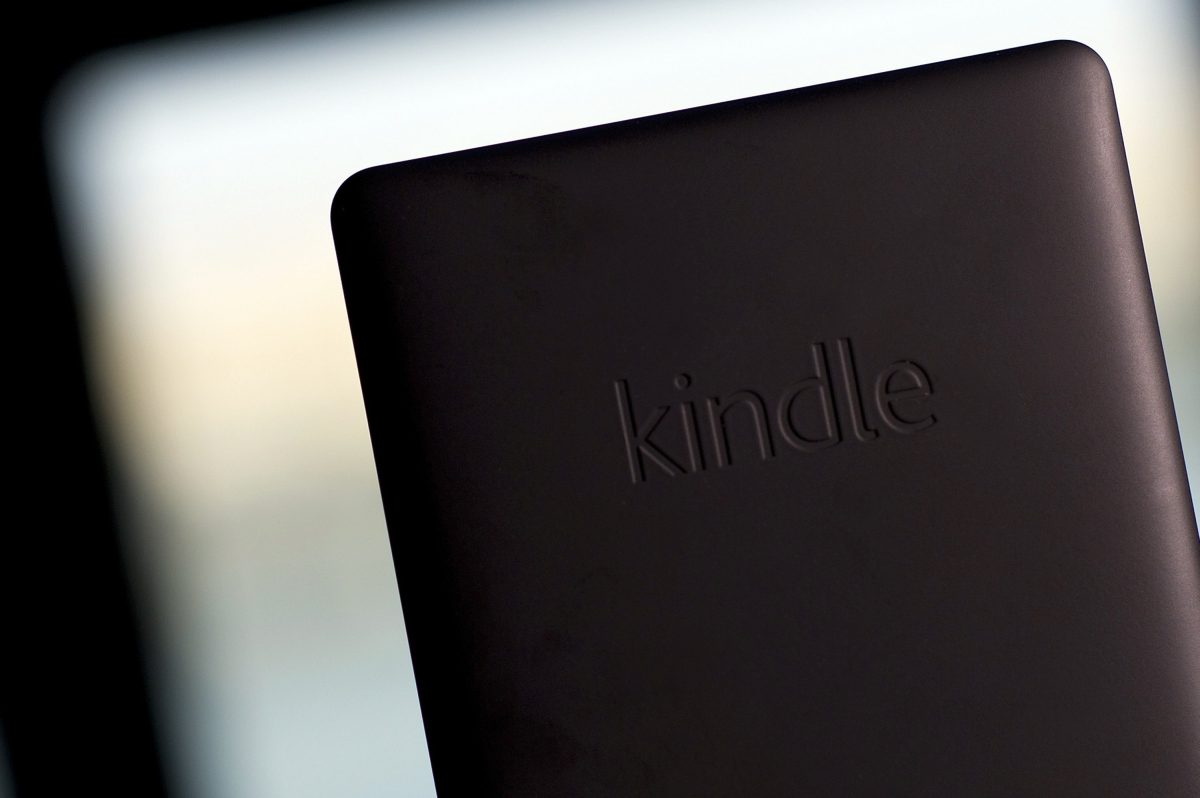
For over a decade, Amazon’s Kindle has been synonymous with digital reading, a quiet companion for millions. That relationship is now facing a significant rupture. The company recently dispatched emails to owners of older Kindle models, informing them that critical support for devices released in 2012 or earlier will cease on May 20th. This move, while perhaps inevitable from a technical standpoint, has ignited a firestorm of frustration among a dedicated user base who feel their trust and investment are being prematurely discarded.
Understanding the End of Support
What does “ending support” actually entail for these aging gadgets? Primarily, it means the devices will lose their ability to connect to the Amazon Kindle Store over Wi-Fi. You can think of it as the digital front door to your bookstore being permanently locked. While content already downloaded to the device should remain accessible, purchasing new books directly or borrowing from services like Kindle Unlimited will become impossible. Furthermore, syncing your reading progress across devices and accessing Wikipedia lookup features will also stop functioning.
This isn’t merely an inconvenience, it’s a fundamental change to the device’s core utility. The affected models, which include popular generations like the Kindle Keyboard (3rd gen), Kindle Touch (4th gen), and the original Kindle Paperwhite (5th gen), were sold as portals to a vast, lifelong library. For many users, the sudden severing of that portal feels like a betrayal of that original promise.
A Community Voices Its Discontent
The announcement triggered immediate and vocal backlash across social media and online forums. Longtime Kindle enthusiasts expressed a potent mix of panic, disappointment, and anger. One prevalent sentiment is the frustration over planned obsolescence, a concept where products are designed to become outdated, thereby pushing consumers toward newer models. Is a device that still holds a charge and displays text perfectly really obsolete, or is it being artificially retired?
Many users argue their older Kindles are physically superior to newer versions, praising features like physical page-turn buttons, lighter weight, and the absence of intrusive ads. “My Kindle from 2012 works flawlessly,” one user lamented online, “It’s been dropped, traveled the world, and still has better battery life than my phone. Now Amazon is telling me it’s a brick.” This emotional attachment, combined with the environmental concern of discarding perfectly functional electronics, fuels the outrage.
The Broader Implications for Tech Consumers
This situation extends beyond e-readers, touching on a critical debate in the technology industry: the right to repair and the lifespan of digital products. When a company controls both the hardware and the essential software services that make it work, they hold immense power over its usable life. Amazon’s decision serves as a stark case study. It raises uncomfortable questions about ownership in the digital age. Do we truly own our devices, or are we merely licensing their functionality for a period determined by the manufacturer?
The kerfuffle also highlights the delicate balance companies must strike between innovation and support. Maintaining legacy software and infrastructure is costly and diverts resources from developing new features. However, abruptly ending support for products that are central to people’s daily habits can severely damage brand loyalty. For a segment of customers, this isn’t just an upgrade cycle, it’s an exit strategy pushing them to explore competitors like Kobo or PocketBook, which often boast better format compatibility and less restrictive ecosystems.
Navigating the Post-Support Landscape
So, what are the practical options for owners of these venerable e-readers? All is not immediately lost. The devices will continue to function as readers for existing content. Users can also manually transfer new ebooks via USB from their computer, though this requires managing files in a less seamless manner. Exploring third-party software for ebook management is another potential path, albeit one that demands more technical savvy.
For those considering a replacement, the market offers compelling alternatives. The current Kindle Paperwhite provides a similar no-glare experience with modern perks like waterproofing and warm light adjustment. Yet, the underlying message from Amazon is clear: the era of the fully supported, decade-old e-reader is closing. This transition forces consumers to weigh the convenience of integrated ecosystems against the fragility of their long-term access.
Looking Beyond the Backlash
While the current wave of frustration is understandable, it also opens a conversation about sustainable technology consumption. How long should a company be expected to support a product? Should there be more transparent timelines at the point of sale? Amazon’s move, though controversial, may push the industry toward clearer communication and perhaps even spur innovation in creating more durable, user-serviceable devices.
The final chapter for these older Kindles hasn’t been written by their users just yet. The community’s strong reaction demonstrates that product loyalty is deeply tied to respect for the customer’s investment. As the May deadline approaches, the real test for Amazon will be how it manages this transition and whether it can offer a graceful off-ramp that acknowledges the value these old devices still hold for their owners. The outcome will likely influence consumer trust in connected devices for years to come, reminding us that in our digital lives, longevity is a feature as valuable as any high-resolution screen.