Tutorials
Epstein Documents Reveal Alleged ‘Dirty Donald’ Remarks and Claims of Leverage Over Trump
Unsealed Court Records Shed Light on a Controversial Relationship
Recently unsealed documents from a civil defamation case related to the late financier Jeffrey Epstein have introduced a new, unsettling dimension to the intersection of power, technology, and scandal. Among the thousands of pages, a particular email thread has captured significant public and media attention for its alleged contents concerning former President Donald Trump. The correspondence, reportedly involving Epstein associate Ghislaine Maxwell, is said to contain a provocative nickname and a bold claim of potential influence.
The Alleged ‘Dirty Donald’ Moniker and a Stark Assertion
According to reports from various media outlets reviewing the filings, the emails in question purportedly quote Jeffrey Epstein referring to Donald Trump as “Dirty Donald.” This derogatory label alone paints a picture of a relationship far removed from the public cordiality the two men once displayed. More strikingly, the documents are said to include an assertion from Epstein that he was “the one able to take him down.” This statement implies a perceived possession of damaging information, a form of analog leverage in a digital age, suggesting a belief that he held compromising material capable of influencing or destabilizing a powerful political figure.
For a technology audience, this dynamic is eerily reminiscent of data breaches or hacked archives, where sensitive information becomes a currency of control. The claim, while unverified in a criminal court, speaks to the age-old concept of kompromat, now supercharged by the potential for digital storage and dissemination. It raises immediate questions about what form this alleged leverage might have taken and how, in an era of cloud backups and encrypted drives, such information could be managed or threatened.
Contextualizing the Digital Paper Trail
It is crucial to understand the provenance of these allegations. They emerge not from a new criminal trial, but from the unsealing of records in a 2015 civil case. This distinction is vital; the emails are presented within legal filings, and their full context and authenticity for the specific quoted phrases are part of a complex media narrative. The process of unsealing documents itself is a technological and legal endeavor, involving court orders, redaction software, and immense PDF files scrutinized by journalists and amateur sleuths alike.
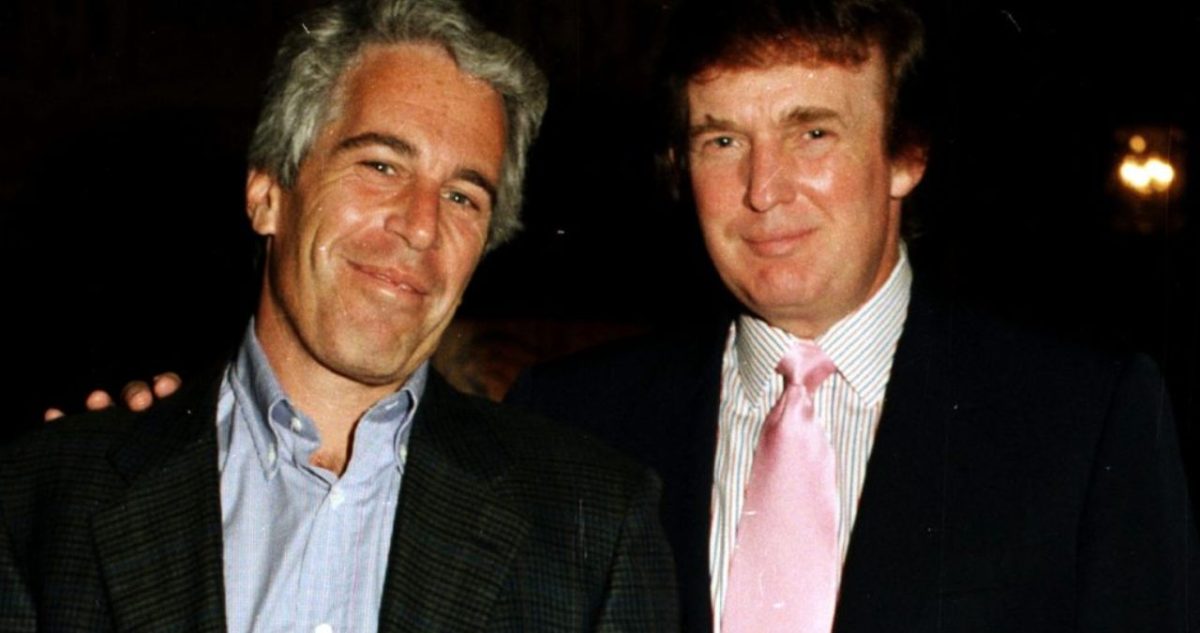
The relationship between Trump and Epstein was documented in society pages and photographs from the late 1990s and early 2000s, an era when digital communication was becoming ubiquitous but perhaps not yet treated with the caution it demands today. This period represents a fascinating, vulnerable gap in the historical record: a time when incriminating evidence could easily transition from casual remark to saved email, creating a permanent, searchable record of interactions once considered private.
The Implications for Information as Power
From a technological perspective, this episode serves as a stark case study in information security and personal data as an instrument of power. Epstein’s alleged boast touches on a fundamental truth in both the cyber world and high-stakes human networks: information is the ultimate asset. Whether the leverage involved alleged communications, witnessed behavior, or other personal details, the underlying principle is that data, once captured, possesses a latent potential for exploitation.
This isn’t just about blackmail; it’s about the architecture of influence. In developer terms, think of it as holding a private API key to someone’s public reputation. The mere perception that such a key exists can alter behavior and decision-making, potentially affecting spheres far beyond the individuals directly involved, including business and political landscapes. How does one secure their life against such analog threats in a digital world? The firewalls here are social, legal, and behavioral, not just digital.
A Narrative Shaped by Digital Scrutiny
The dissemination of these allegations highlights the modern media ecosystem’s dynamics. The story spread not from a single news wire but through a fragmented landscape of online publications, social media commentary, and decentralized analysis of the document trove. Search engine algorithms now determine who encounters this story and in what context, while SEO-driven headlines compete for attention with more sober analyses. The nickname “Dirty Donald” itself is a piece of highly searchable, viral language, engineered for recall and controversy.
For platforms and publishers, this creates a familiar tension between reporting on matters of significant public interest and avoiding the amplification of unproven claims. It’s a content moderation challenge playing out on a grand, historical scale. The tech industry, often caught in the middle of such storms, must continually refine its policies on handling legally sourced but potentially salacious material that sits at the nexus of news, politics, and scandal.
Looking Beyond the Sensational Headlines
While the shocking quotes understandably draw focus, the deeper lesson may lie in the digital paper trail we all now leave. This saga, like many before it, is ultimately pieced together from emails, flight logs stored in databases, and digitized photographs. It underscores a permanent shift: our associations and casual comments can be archived, subpoenaed, unsealed, and globally published with a few clicks. The ephemeral nature of old-school gossip has been replaced by the terrifying permanence of server logs and cloud storage.
What does this mean for the future of privacy and power? As we move toward even more integrated digital lives, with richer metadata and always-on communication, the potential for creating such leverage points may increase, not decrease. The next generation of powerful figures will have a lifetime of digital breadcrumbs behind them, from social media DMs to encrypted chat logs that may or may not stay secure. The Epstein documents offer a glimpse into a recent past where this digital shadow was just beginning to lengthen. The forward-looking insight is clear: in an age where information is immortal, the most critical security protocol may be living a life that can withstand unexpected, full-scale digital audit, a daunting standard for anyone, but especially for those in the public eye. The real tech challenge ahead is building a society that can responsibly manage the indelible records it now effortlessly creates.