Tutorials
Bill Gates to Testify Before Congress on Epstein Ties, Calling Association a ‘Huge Mistake’
A Congressional Summons for a Tech Titan
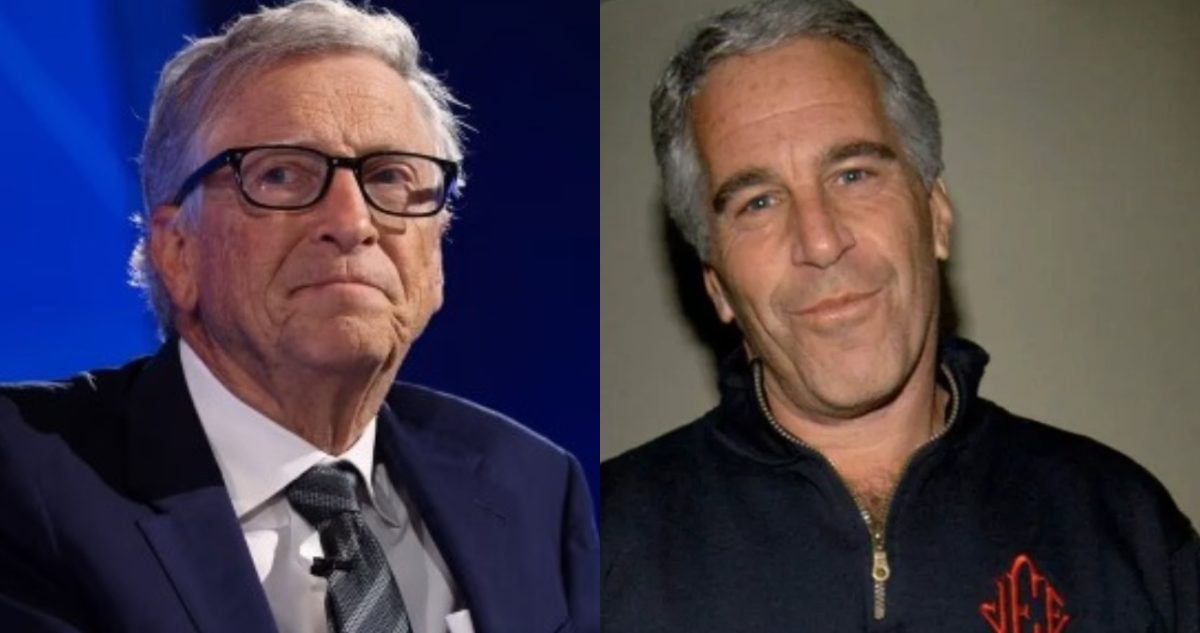
Bill Gates, the co-founder of Microsoft and a leading global philanthropist, is set to appear before a U.S. House of Representatives panel. The testimony, confirmed by a spokesperson for the billionaire, will center on his past associations with the late financier and convicted sex offender Jeffrey Epstein. This development marks a significant, and undoubtedly uncomfortable, moment for one of the technology world’s most prominent figures, pulling him from the realms of software and global health directly into a political spotlight he has long sought to avoid.
Examining a Fateful Introduction
The relationship between Gates and Epstein, which first began in 2011, has been a persistent source of scrutiny and controversy. For years, Gates has publicly characterized these interactions as a substantial error in judgment. He has repeatedly stated that he hoped to leverage Epstein’s network of wealthy connections for philanthropic fundraising, a decision he now deeply regrets. The question many are asking is simple: how did one of the world’s savviest strategists fail to see the glaring red flags?
According to various reports, their meetings spanned several years and included multiple gatherings at Epstein’s New York mansion. While Gates has maintained there was no business partnership or friendship, the frequency of their contact has raised eyebrows. It presents a classic case of reputational risk management gone awry, a lesson in the perils of proximity for any high-profile leader.
The Broader Implications for Tech Leadership
This is not merely a personal story for Gates; it resonates across the entire technology sector. Founders and CEOs are often celebrated for their disruptive vision and relentless pursuit of goals. However, this episode underscores a different, darker facet of immense influence: the insulation and poor counsel that can sometimes accompany vast wealth and power. It begs a broader question about accountability and the ethical lines that even the most celebrated innovators must navigate.
The hearing will likely delve into the specifics of what was discussed during those meetings. Lawmakers are expected to probe whether Epstein attempted to influence the operations or grant-making of the Bill & Melinda Gates Foundation. For an organization that prides itself on transparency and data-driven impact, even the faintest shadow of association with Epstein’s crimes is profoundly damaging. It’s a stark reminder that in the digital age, a legacy is not built on code alone, but on character.
A Reputational Reckoning in the Public Eye
For a figure like Gates, who has meticulously cultivated an image as a forward-thinking problem-solver, this chapter is a formidable challenge. The congressional testimony will be a very public reckoning, streamed live and dissected across media platforms. It moves the narrative from the business pages to the front page, intertwining his story with one of the most sordid scandals of recent times.
The process will test the resilience of his personal brand and, by extension, the brands of the institutions he leads. In the court of public opinion, explanations can often sound like excuses. His task will be to provide clear, consistent, and credible answers to lawmakers whose patience for vague responses from powerful men has worn exceedingly thin.
Navigating the Legal and Ethical Labyrinth
From a legal standpoint, Gates is not accused of any wrongdoing related to Epstein’s criminal activities. The focus of the House panel appears to be on understanding the nature and extent of their relationship. Yet, in the realm of ethics and governance, the bar is often set higher. For board members, institutional partners, and the public, the mere fact of sustained contact with a known predator requires a compelling explanation.
This situation serves as a critical case study for corporate governance and crisis communications. How should a global entity respond when its principal founder becomes entangled in a separate, toxic scandal? The Gates Foundation has consistently denied any financial solicitation or influence from Epstein, but the political scrutiny ensures these assurances will be stress-tested under oath.
Looking Beyond the Hearing Room
The immediate fallout from the testimony will dominate news cycles, but the longer-term implications are more nuanced. Will this affect the foundation’s ability to forge partnerships with governments or other NGOs? Could it influence donor sentiment or the morale of its staff working on the front lines of global health? These are the tangible stakes that lie beneath the political theater.
Furthermore, it prompts a necessary conversation about due diligence in the philanthropic and tech investment worlds. In an era where social impact is measured alongside financial returns, the sources of capital and the networks that enable deals are facing unprecedented scrutiny. The old adage of ‘it’s not what you know, but who you know’ is being rewritten with a crucial ethical clause.
As Gates prepares for his congressional appearance, the tech industry watches closely. The outcome will likely reverberate beyond a single individual, potentially shaping new norms for transparency and accountability among the world’s most powerful private citizens. It is a reminder that in our interconnected world, the lines between business, philanthropy, and personal association are not just blurred; they are permanently under the microscope.