Tutorials
Artemis II Astronauts Honor Commander’s Late Wife with Lunar Crater Naming in Poignant Tribute
A Celestial Memorial Beyond Earth’s Horizon
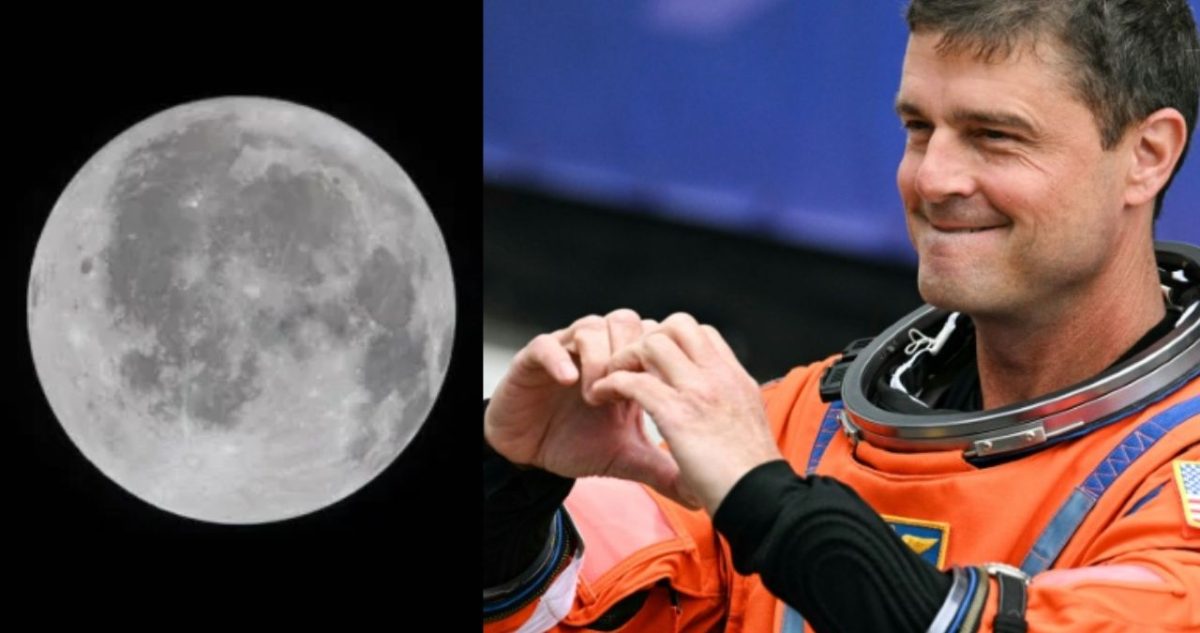
The journey back to the Moon is about more than just technology and exploration; it is deeply human. In a profoundly moving moment ahead of their historic mission, the crew of NASA’s Artemis II dedicated a lunar crater name to the late wife of their commander, Reid Wiseman. This act transformed a forthcoming voyage of scientific discovery into a personal tribute, reminding everyone that behind the spacesuits and mission patches are individuals carrying their stories into the cosmos.
Bridging Personal Loss and Cosmic Ambition
Commander Reid Wiseman’s wife, Carroll, passed away in 2020 after a battle with cancer. During a crew media event, Wiseman and his fellow astronauts, Victor Glover, Christina Koch, and Jeremy Hansen, revealed they had named a crater on the Moon’s far side “Carroll.” This naming, while informal and not officially recognized by the International Astronomical Union, carries immense symbolic weight for the team. It ensures her memory will literally be etched into the landscape they aim to orbit, a permanent fixture in the sky they are destined to visit.
Think about that for a second. How many of us have wished upon a star for a loved one? This crew is taking that sentiment several steps further by placing a name directly on our celestial neighbor. The crater rests in the vicinity of the Apollo basin, a region the Orion spacecraft will fly past, making the tribute a tangible waypoint on their trajectory. It is a gesture that merges the cold calculus of orbital mechanics with the warm, enduring power of human connection.
The Technology of Tribute in the Artemis Era
This poignant act underscores a subtle shift in how modern spaceflight narratives are crafted. The Artemis program, with its complex Space Launch System rockets and sophisticated Orion capsules, represents a pinnacle of human engineering. Yet, the mission’s soul is fueled by stories like this one. The crater naming leverages the precise cartography of modern lunar science, using data from orbiters like the Lunar Reconnaissance Orbiter to select a specific, meaningful location.
It is a form of memorial made possible only by our current level of spacefaring knowledge and ambition. In earlier eras, such a tribute might have been a name on a plaque. Today, it can be a geographic feature on another world, a destination visible through a spacecraft window. This intertwining of high-tech exploration and personal legacy is becoming a hallmark of 21st-century spaceflight, where astronauts are encouraged to share their humanity as openly as they share their technical expertise.
Emotional Resilience as a Crew Resource
For a technology audience, this event highlights a critical, often overlooked component of mission design: crew psychology and team cohesion. NASA rigorously trains its astronauts for physical and technical contingencies, but the emotional landscape of a long-duration mission is equally vital. Publicly sharing this tribute demonstrates a remarkable level of trust and unity within the Artemis II crew.
They are not just colleagues; they are a support system, acknowledging a profound personal loss that one of their members carries. This emotional resilience is as essential a resource as oxygen or propellant. It builds a team capable of handling the immense pressure and isolation of a journey around the Moon, where Earth will shrink to a mere blue marble in the void. Their willingness to be vulnerable together, seen in the raw emotion of the announcement, arguably makes them a stronger, more integrated unit.
Setting a Precedent for Future Explorers
The Artemis II tribute establishes a powerful precedent for how future lunar and planetary explorers might honor their own inspirations and losses. As we move toward establishing a sustained presence on the Moon, these human touches will become integral to the culture of off-world living. Will future lunar habitats or research stations carry names of personal significance? It is likely.
This act also reflects the broader, more inclusive narrative NASA is cultivating for the Artemis generation. The mission itself is groundbreaking, featuring the first woman, the first person of color, and the first non-American (a Canadian) on a lunar voyage. Incorporating a personal story of love and memory into that narrative enriches it further, making the monumental endeavor relatable to millions watching from home. It is not just a flight plan; it is a story we can all connect with on an emotional level.
The Lasting Legacy of a Single Name
While “Carroll” may not appear on official lunar charts, its significance is indelible for the crew and for those who follow their mission. Every time they reference a navigation point or gaze at the far side during their flight, that name will hold meaning. It transforms a geologic formation into a monument, a silent companion on their perilous journey.
In the grand, sometimes impersonal scale of cosmic exploration, such gestures ground us. They remind us that exploration is ultimately a human enterprise, driven by our loves, our memories, and our desire to leave a mark, however small, on the universe. The technology gets us there, but it is the heart that gives the journey its purpose.
Looking Forward: The Human Code in the Cosmic Database
As we stand on the cusp of a new lunar age, the Artemis II crew’s tribute points toward a future where our exploration is annotated with human experience. The databases mapping the Moon will contain coordinates, mineralogical data, and radiation levels. Now, they will also contain, in the minds of explorers, stories like Carroll’s. This is the softwar e layer on top of the hardware, the emotional code running alongside the flight software.
The success of long-term exploration hinges on our ability to bring our full humanity with us, not just our technical manuals. The naming of a crater for a loved one is a beautiful, early test of that principle. It suggests that the final frontier will be mapped not only by coordinates and chemical compositions, but by the enduring landmarks of the human heart, ensuring that as we reach for the stars, we never leave our humanity behind.