Tutorials
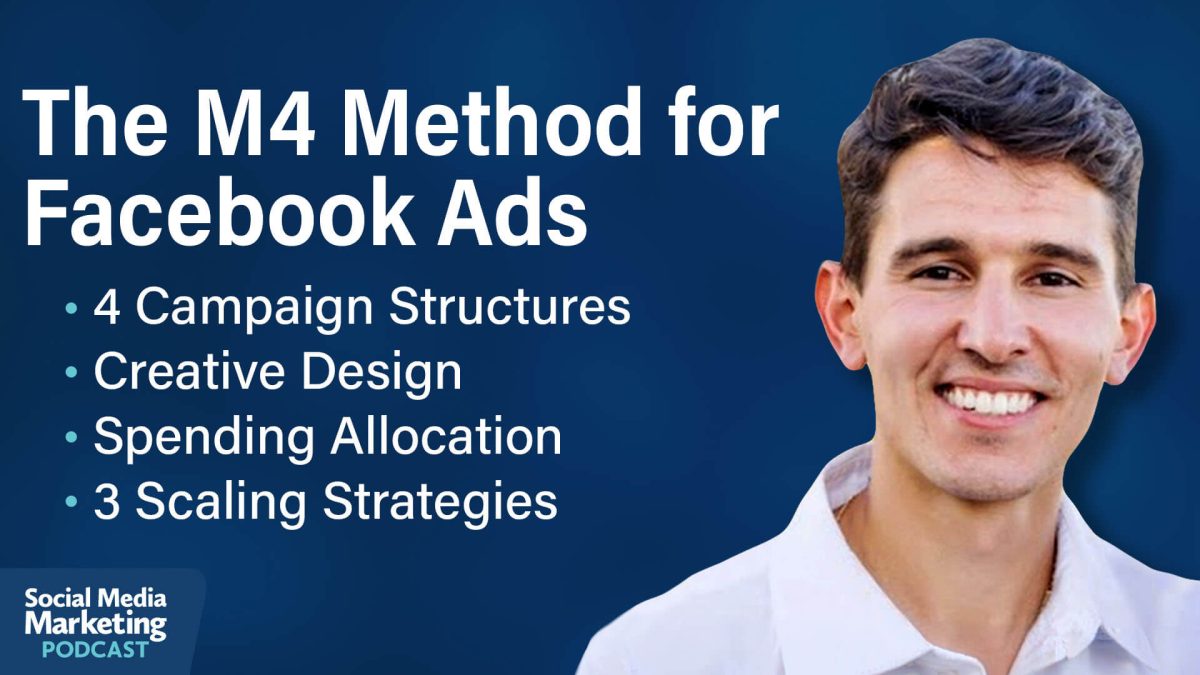
The Four Stage System for Profitable Facebook Ad Campaigns in eCommerce
For many eCommerce founders, Facebook Ads are a paradox. They can drive a torrent of traffic one day and then hemorrhage budget the next. The platform rewards creativity, but it also punishes sloppiness. Clicks come cheap, yet customers remain elusive. The gap between a view and a sale has swallowed more than a few marketing budgets whole.
If you have felt the sting of a campaign that generated plenty of page visits but zero conversions, you are not alone. The problem often is not the product, the creative, or even the platform itself. It usually comes down to a structural issue within the ad account. Sam Piliero, a seasoned eCommerce advertiser, argues that most businesses fail because they skip a critical step in their campaign architecture.
The Two Hidden Bottlenecks in Every Ad Account
Piliero identifies two primary culprits that choke performance before a campaign can gain traction. The first is a lack of audience stratification. Many advertisers throw their entire product catalog at a single, broad audience and expect the algorithm to sort things out. The algorithm is smart, but it is not a mind reader. Without clear signals about who should see what, the system optimizes for the easiest action, which is often a click, not a purchase.
The second bottleneck is timing. Even the best audiences fail when they are shown ads at the wrong point in the buyer journey. A cold visitor who has never heard of your brand does not need a discount code. They need a reason to care. Meanwhile, a repeat customer who buys monthly should not see the same new customer offer. When these two audiences get the same message, the ad account bleeds efficiency.
Why Most Budgets Fizzle Out Before Scaling
The standard approach is to launch a campaign, see some early success, and then scale the budget aggressively. This often works for a week or two. Then performance falls off a cliff. The reason is that scaling requires more than just turning up the spend dial. It demands a system that can absorb increased volume without collapsing the cost per acquisition.
Piliero suggests that the solution is not a single campaign but a four stage system that builds on itself. Think of it like constructing a building. You would not furnish the penthouse without first pouring the foundation. In the same way, you cannot scale a profitable ad account without first establishing a reliable conversion foundation, then layering in retargeting, then introducing lookalike audiences, and finally testing new traffic sources.
A Four Stage System for Predictable Profit
The first stage is pure conversion. You focus on the people most likely to buy right now. This often means targeting warm audiences, such as email subscribers, past purchasers, or website visitors from the last seven days. The goal here is not volume. It is proof. You want to demonstrate that the product and the offer work together to produce a sale at an acceptable cost.
Once that foundation is solid, you move to the second stage: retargeting and upsells. This is where you capture the people who visited, considered, but did not convert. A well crafted retargeting campaign can recover up to 20 percent of lost revenue. It also serves as a heat map for your best performing creatives. The ads that drive the most retargeting conversions are often the ones you should feed into your cold acquisition funnel.
Stage three is where you start to scale cold traffic through lookalike audiences. You build these models off your best customer list, not just any email list. A lookalike seeded with high lifetime value customers will perform far better than one based on generic newsletter signups. This stage requires patience. The algorithm needs time to learn, and early results can be noisy.
The fourth and final stage is broad exploration. Once you have a proven creative and a stable conversion rate, you can test larger, less defined audiences. This is where you let Facebook do the heavy lifting. You provide a strong creative and a conversion objective, and you allow the system to find buyers you would never think to target. This stage is the engine for real scale, but it only works if the previous stages are stable.
The Fine Art of Letting the Algorithm Work
There is a temptation to micromanage every campaign. You might want to pause ads after three hours of poor performance or adjust bids every morning. That approach usually backfires. The pixel needs time to gather data. A campaign that looks weak at hour two might be building a profitable audience by day four.
Piliero recommends setting clear evaluation windows. For cold campaigns, allow at least three to five days before making significant changes. For retargeting campaigns, that window can be shorter because the audience is smaller and the signal is clearer. The key is to respond to trends, not to noise. A bad hour is not a trend. A bad week is.
From Account Setup to Revenue Engine
Building a profitable Facebook ad account is not about finding a magic targeting option or a secret audience hack. It is about creating a logical sequence that moves people from awareness to purchase. The audience must be stratified. The timing must be appropriate. And the budget must grow in lockstep with proven results.
Most eCommerce brands that fail on Facebook do not fail because the platform is broken. They fail because they try to skip steps. They want scale without foundation. They want sales without signals. The four stage system offers a method for building in the right order. It is not the fastest path, but it is the most reliable one.
Looking ahead, the platforms will only get more automated. The advertisers who win will be those who understand how to feed the algorithm clean data and then get out of its way. The days of manual bidding and hyper targeted niches are fading. The future belongs to systems, not hacks. And the best time to start building that system is now, before your competitors figure it out.